Best Evidence-Based Drug Abuse Therapy Strategies For Dependency Healing


Authored By-Neergaard Svensson
When it involves conquering addiction, comprehending the most effective evidence-based treatment approaches is crucial. You might locate that Cognitive Behavioral Therapy or Medication-Assisted Treatment reverberates with your requirements. Each approach offers distinct advantages, but knowing which one to pick can feel frustrating. As you explore these alternatives, take into consideration how they can support your journey. What might truly establish you on the course to recuperation? Let's take a more detailed look at these strategies and just how they can help you.
Understanding Evidence-Based Therapy for Drug Abuse
When you're seeking assistance for chemical abuse, recognizing evidence-based treatment is critical. This strategy relies upon scientific research study and information to direct your recovery journey. It's not almost what feels right; it's about what's proven to function.
Evidence-based therapy integrates numerous techniques, including therapy, drug, and support system, customized to your one-of-a-kind needs. By focusing on techniques backed by research, you're more likely to accomplish lasting success in getting over addiction.
Additionally, these treatments often adapt to brand-new searchings for, ensuring you obtain one of the most efficient treatment. Embracing evidence-based choices encourages you to make enlightened decisions, enhancing your possibilities of recuperation and a healthier future.
Secret Evidence-Based Strategies in Dependency Recuperation
Although countless strategies exist for addiction recovery, specific evidence-based strategies attract attention for their efficiency.
Cognitive Behavior Modification (CBT) aids you determine and alter negative thought patterns, making it simpler to handle triggers.
Motivational Interviewing encourages you to discover your factors for modification, enhancing your dedication.
Medication-Assisted Therapy (FLOOR COVERING) integrates behavior modification with medicines to minimize yearnings and withdrawal signs.
Twelve-Step Assistance Treatment introduces you to support groups like Twelve step programs, cultivating community and liability.
Finally, Dialectical Behavior Therapy (DBT) focuses on psychological regulation, assisting you deal with stress and anxiety and enhance partnerships.
Each of these strategies uses unique advantages, guiding you toward a lasting recuperation path tailored to your requirements.
Exactly how to Pick the Right Treatment Method for You?
How can you figure out the best treatment approach for your recuperation journey? Begin by evaluating your specific requirements.
Consider factors like the severity of your dependency, any co-occurring mental health and wellness problems, and your personal choices. Study numerous therapy choices, such as inpatient, outpatient, or support system, and recognize their benefits and limitations.
Talk to medical care specialists that specialize in dependency. They can lead you via the alternatives and assist you create a customized strategy.
Don't hesitate to ask concerns and reveal your worries; this is important for finding what reverberates with you.
Keep in mind, the right therapy method ought to empower you and fit flawlessly into your way of living, advertising a sustainable path toward recovery.
Trust your impulses as you make this vital decision.
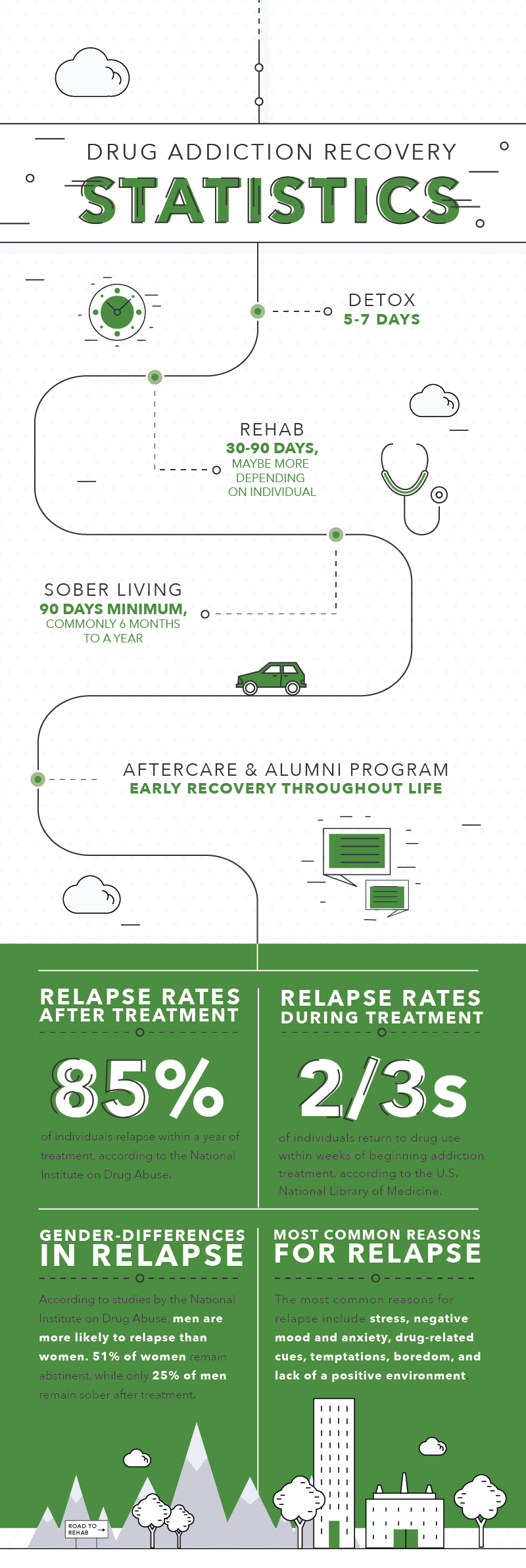
Sustaining Long-Term Recuperation: Aftercare and Relapse Avoidance
Sustaining long-term recuperation calls for an aggressive method to aftercare and regression avoidance. When you have actually completed your preliminary treatment, it's important to remain engaged with support systems.
Consider joining a support system, like AA or NA, to get in touch with others that recognize your journey. Routine check-ins with a counselor or therapist can help you navigate challenges and reinforce your coping abilities.
Establishing source web page individualized regression prevention plan is crucial. Recognize your triggers and produce approaches to take care of food cravings.
Engage in healthy and balanced activities that advertise well-being, such as exercise, pastimes, or mindfulness practices. Bordering on your own with favorable impacts and maintaining a solid assistance network can substantially improve your chances of continual recovery.
Verdict
To conclude, finding the ideal evidence-based therapy for substance abuse is essential for your recovery trip. Whether you opt for Cognitive Behavioral Therapy, Medication-Assisted Treatment, or another approach, each approach uses distinct benefits tailored to your needs. Bear in mind, ongoing support and aftercare are essential for preserving lasting recuperation and preventing relapse. Remain devoted to your path, and do not hesitate to look for assistance when needed. Your trip to a much healthier life is within reach!